
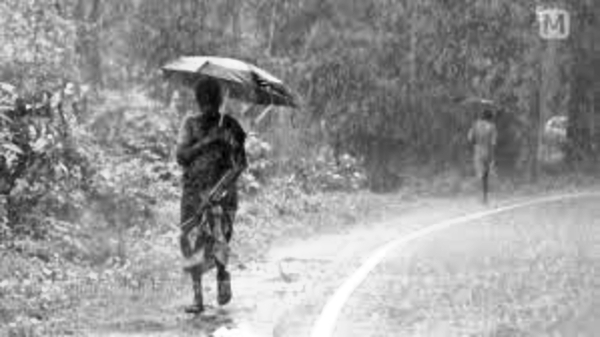
Early projections about the 2026 southwest monsoon are drawing attention not because the numbers look alarming, but because even small variations in rainfall can influence agriculture, water availability and rural spending patterns across India.
A seasonal outlook released by private weather forecaster Skymet suggests rainfall may remain slightly below the long period average this year. The estimate places rainfall at about 94 percent of the benchmark average of 868.6 mm recorded over decades.
In technical terms this falls in the “below normal” band, but weather experts usually caution against reading too much into a single percentage. The bigger question is always how the rain is spread across months and regions.
Rainfall timing often matters more than totals
Agriculture experts often say farmers are less worried about total rainfall and more concerned about when the rain arrives. A delayed start, long dry gaps during crop growth, or heavy rain concentrated in short periods can affect crop health more than a small deficit in seasonal totals.
That is why early forecasts are treated more as planning signals rather than final conclusions.
El Niño factor being watched
The outlook also refers to the possible return of El Niño conditions later in the year. This ocean-linked weather pattern has historically coincided with weaker monsoon performance in some years.
However, the relationship is not always direct. India has also seen normal rainfall in some El Niño years when other regional weather factors balanced the effect.
What concerns weather watchers more is the possibility of uneven rainfall if such conditions develop, particularly toward the second half of the monsoon season.
Regional variation could be the real story
The forecast suggests central and western India may receive less rainfall compared to the eastern and northeastern regions.
This matters because large parts of central India depend heavily on rainfall for crops such as soybean, pulses and cotton. If rainfall weakens in these areas, it could affect sowing decisions and output expectations.
At the same time, better rainfall in eastern regions could partly balance the overall national picture.
Why India is better prepared today
Agriculture economists point out that India is not as vulnerable to rainfall variation as it once was. Expansion of irrigation networks, improved seed varieties and food buffer stocks have increased resilience.
Government agencies also prepare contingency crop plans whenever early signals suggest rainfall uncertainty. Farmers are often advised to stagger sowing or switch crop varieties depending on rainfall behaviour.
Reservoir storage levels going into the monsoon season also play a role in determining how much stress a weaker monsoon may actually cause.
No immediate cause for concern
Weather specialists underline that a forecast of 94 percent rainfall does not point to drought conditions. Many years with similar rainfall levels have seen stable farm output.
The situation becomes difficult only if rainfall drops sharply below this level or if distribution becomes highly uneven.
For now, the projection simply indicates the need for careful monitoring rather than alarm.
What will decide the final picture
The clearer trend will emerge closer to the monsoon onset when more data becomes available. Official projections from the India Meteorological Department are expected before the start of the season and are usually considered the main reference for planning.
Meteorologists will also track ocean temperatures, early summer heat conditions and the behaviour of pre-monsoon weather systems before drawing firmer conclusions.
The larger takeaway
For policymakers, such forecasts act as early inputs for planning fertiliser supply, irrigation support and price management if required.
For farmers, the message is usually one of cautious preparation rather than worry.
And for the wider economy, it is another reminder that even today the monsoon remains closely tied to rural demand, food supply and inflation trends.
The coming weeks will provide clearer signals. Until then, the current forecast remains just an early indication of how the season might unfold.
