
New Delhi: A change is slowly taking shape in Indian agriculture. It is not loud, and it is not being pushed as a strict rule. But it is significant.
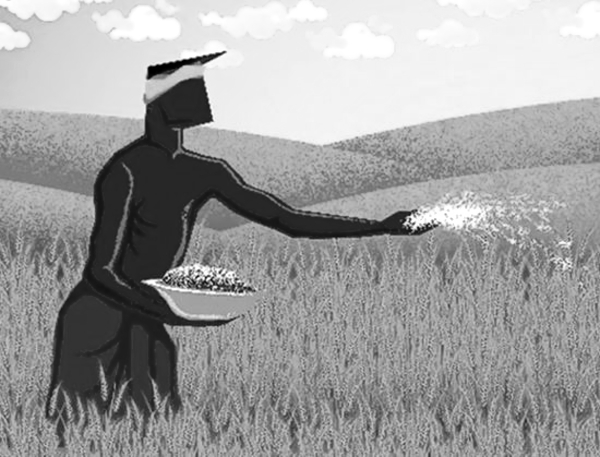
The government now wants farmers to use fertilisers more carefully, with a short-term goal of bringing down usage slightly while improving how they are applied.
At first glance, this may sound like a cutback. But on the ground, the approach is different.
Not about using less, but using right
For many years, higher fertiliser use was often seen as a way to increase production. In some cases, it worked. But over time, it also created problems.
Soil quality began to weaken in several regions. Farmers had to use more input to get the same output. Costs went up, and the balance of nutrients in the soil started getting affected.
Now the focus is shifting.
Instead of simply applying fertilisers as a routine, farmers are being encouraged to understand what their soil actually needs.
What is being done differently
The change is not happening through instructions alone.
Agricultural teams are reaching villages and speaking directly with farmers. These are not one-time visits. The idea is to build regular interaction, where farmers can ask questions and see practical demonstrations.
The conversations are simple — how much fertiliser is needed, which combination works better, and how overuse can quietly damage soil over time.
For many farmers, this is a new way of looking at something they have been doing for years.
Why this matters now
There are two pressures at play.
One is economic. Fertiliser costs have been rising, and using more than required directly affects a farmer’s spending.
The other is long-term. Soil that loses its natural strength becomes harder to manage. Productivity may continue for a while, but sustainability becomes a concern.
By adjusting how fertilisers are used, both issues can be addressed together.
Role of soil testing
One of the key tools in this effort is soil testing.
Instead of relying on experience alone, farmers are being encouraged to use soil data to decide what nutrients are needed. This helps avoid unnecessary use and improves efficiency.
It is a gradual shift — from habit to information.
Will farmers accept it?
Change in agriculture rarely happens quickly.
Farming practices are built over generations, and any shift depends on trust. Most farmers adopt new methods only after seeing results nearby.
That is why demonstration is important. When farmers see that balanced use does not reduce yield, they are more open to trying it.
The road ahead
The current push is only a beginning.
The larger aim is to improve soil health, reduce input pressure and make farming more sustainable over time.
For farmers, the change is practical. It is about spending wisely, protecting the land and maintaining output.
The takeaway
This is not about cutting fertiliser use for the sake of it.
It is about understanding the soil better — and working with it, not against it.
If that balance is achieved, the benefits will not just be immediate, but long-lasting.
