
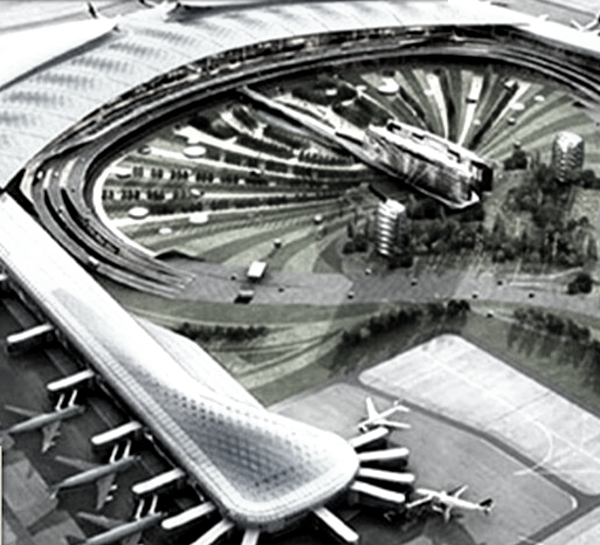
New Delhi: The upcoming Noida International Airport at Jewar is expected to become the second major aviation hub for the Delhi-NCR region as air passenger numbers continue to rise and pressure increases on the existing Delhi airport.
With commercial operations expected to begin from April 2026, the new airport is being positioned as an alternative gateway to handle growing passenger and cargo movement in north India.
Why a second airport was needed
Delhi’s Indira Gandhi International Airport has seen steady growth in passenger traffic over the years. Aviation planners have long indicated the need for an additional airport to share traffic load and reduce congestion, particularly during peak travel seasons.
The Jewar airport is expected to support this expansion by handling both domestic and international operations in phases.
How the airport is designed
Officials say the airport has been built with a 3,900-metre runway capable of handling large commercial aircraft. The runway has been equipped with navigation systems that allow operations even during poor visibility conditions such as winter fog, a frequent challenge in north India.
The facility has received regulatory clearance for all-weather operations after meeting required aviation safety standards.
Passenger facilities and processing
Apart from aircraft infrastructure, the terminal design focuses on faster passenger movement. Authorities say the airport layout aims to reduce waiting time through self check-in counters and streamlined baggage handling systems.
The idea, according to planners, is to reduce congestion inside terminals and improve passenger flow as traffic increases in the coming years.
What it could change for travellers
For passengers in western Uttar Pradesh, parts of Haryana and even some areas of Delhi, the Jewar airport could reduce travel time compared to reaching the existing Delhi airport.
Infrastructure projects around the airport are also expected to improve regional connectivity through highways and future transport links.
Economic impact
Large airport projects often lead to development of surrounding areas through logistics hubs, hotels and commercial activity. Officials believe the airport could support economic growth in the surrounding region over time.
What happens next
With the inauguration completed, attention will now shift to phased flight operations and connectivity expansion. The airport is expected to gradually increase capacity as more airlines begin operations.
How quickly the airport grows will depend on airline participation, passenger demand and supporting infrastructure development.
