
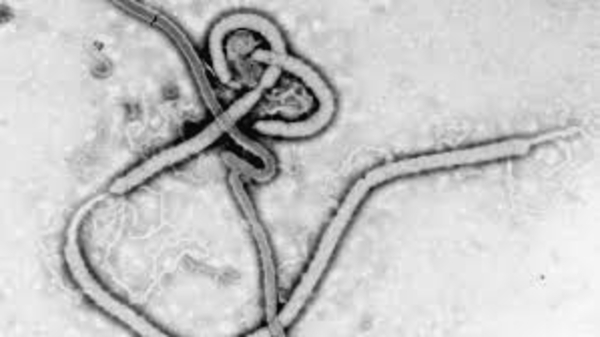
The word “Ebola” often brings memories of global health alerts, protective suits and emergency responses. But beyond the headlines, many people still do not fully understand what the disease is, how it spreads or who is actually at risk.
Ebola is a serious viral illness that affects humans and can become life-threatening if not diagnosed and treated in time. While outbreaks have largely been concentrated in parts of Africa, awareness remains important because global travel and public health preparedness continue to shape disease response worldwide.
What is Ebola?
Ebola is caused by a group of viruses known as orthoebolaviruses.
Ebola is caused by a group of viruses known as orthoebolaviruses.
The disease was first identified in 1976 and has since been associated mainly with outbreaks in sub-Saharan Africa. The infection can lead to severe illness affecting multiple systems in the body and, in serious cases, can become fatal if timely medical care is not available.
How does Ebola begin?
One reason Ebola can be difficult to recognise early is that the first symptoms often resemble common viral illnesses.
One reason Ebola can be difficult to recognise early is that the first symptoms often resemble common viral illnesses.
A person exposed to the virus may develop symptoms anywhere between two and twenty-one days later, although onset generally happens within about a week to ten days.
Early symptoms may include:
Fever
Body pain and muscle aches
Fatigue
General weakness
As the illness progresses, symptoms may become more severe and can include:
Body pain and muscle aches
Fatigue
General weakness
As the illness progresses, symptoms may become more severe and can include:
Vomiting
Diarrhoea
Severe dehydration
Unexplained bleeding in some cases
Diarrhoea
Severe dehydration
Unexplained bleeding in some cases
How does it spread?
One of the biggest misconceptions about Ebola is that it spreads easily through air.
One of the biggest misconceptions about Ebola is that it spreads easily through air.
Health authorities state that Ebola does not spread simply by standing near an infected person or sharing public spaces.
Transmission happens through direct contact with body fluids of an infected person who is sick or has died from the disease. These fluids may include blood and other bodily secretions.
People generally become contagious only after symptoms begin.
Healthcare workers and family caregivers without proper protective measures are considered among the highest-risk groups during outbreaks.
Is there a vaccine?
Medical progress over recent years has improved prevention and treatment options.
Medical progress over recent years has improved prevention and treatment options.
There is an approved vaccine available for protection against one type of Ebola virus. Vaccination is mainly recommended for people at higher risk of exposure in identified situations.
Can Ebola be treated?
Treatment has improved significantly compared with earlier outbreaks.
Treatment has improved significantly compared with earlier outbreaks.
Medical care focuses on maintaining hydration, supporting blood pressure, controlling symptoms and managing complications.
Specific treatments are also available for certain forms of the disease, improving survival outcomes when patients receive timely care.
Why awareness matters
For most people outside outbreak regions, Ebola remains a very low-risk disease.
For most people outside outbreak regions, Ebola remains a very low-risk disease.
But public understanding matters because accurate information reduces fear and prevents misinformation.
Health experts continue to emphasise that disease preparedness is not only about emergency response — it is also about awareness, early reporting and trust in public health systems.
Ebola may not affect everyday life for most people.
But understanding how it works remains an important part of global health awareness.
