
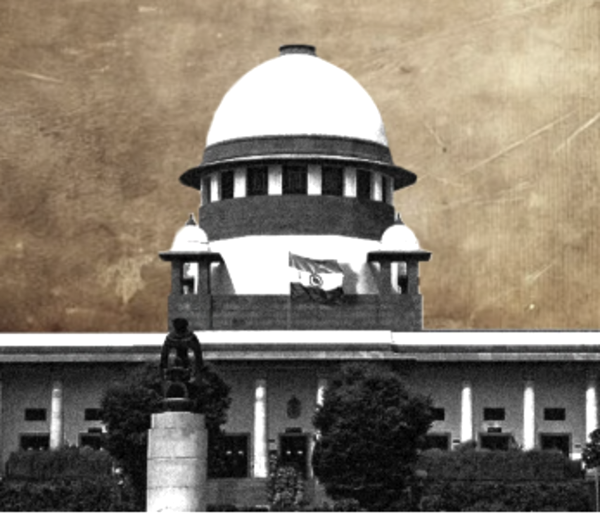
Do questioning people with power actually mean that you are disrespectful? Supreme Court Justice Ujjal Bhuyan has offered this opinion: questioning public authority is never defiance, and expressing your disagreements should not be viewed by your nation as a form of threat. The Judge said this is important, especially for our young citizens and our students.
In their Public and Private lives as professionals in a world, it is inevitable that young individuals should have an encounter with various persons in authority.
According to Judge Bhuyan: – in New Delhi as the other speakers, our public democratic structures must be kept a open to criticism and questions from members. What? Students should be disciplined because, during class, they are not willing to be taught everything under authority but by asking a question.
It sounds rather obvious, but how come people aren’t acting so. Yes: it is simply just the ability not to agree to what is being presented to your by the ones in charge. It shouldn’t just mean going against what are set to be fundamental values nor meaning that your own values/beliefs is going to make people automatically say that you are defiant or trying to commit against all that’s acceptable in a democratic constitution.
University Colleges need to uphold this practice more. There must be: a clear place for students to express these concerns, without fear! In reality, for our University campuses these issues go out, of the window when it’s perceived that anyone/everyone is not taking what the professor is saying for its face value. We have to encourage our Universities, and colleges to uphold these core values of a constitution of a Democratic System, what our young professionals and civilians deserve.
The views from Judge Bhuyan echo an old-accepted constitutional practice, of the way of rule, by saying that – while government does command ultimate authority, it is up to the constituents to question government policy. Not only does this foster engagement, but also safeguards a nation against any potential form of dictatorship or tyranny and that should be our priority regardless if it goes against personal or political belief systems. At the same of course the, Right of dissent does never abolish the adherence of law from society, for both: peaceful expressions and protests are on wholly different ends compared to: malicious crimes against individuals, authorities and national interests, the equilibrium between this boundary lines must remain intact with, respect for the law so that society and its inhabitants is protected at least.
Therefore, the message is loud and it must heard, it’s the courts view that to go against the accepted current beliefs by way of questioning, shouldn’t be a platform for silencing someone. Democracy thrives in diversity of speech. A Democratic nation: it is the country, which: in a way… people can disagree, prove their case and simultaneously still be part of the national conversation for progress, the only key thing they require to bear with them is nothing besides respect.
