
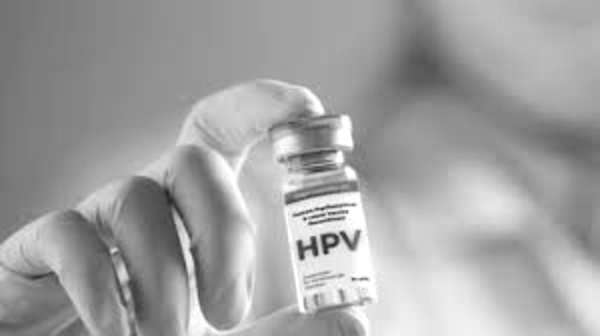
Kolkata: In a major public health initiative aimed at protecting young girls from one of the most preventable forms of cancer, the West Bengal government has launched a statewide Human Papillomavirus (HPV) vaccination campaign targeting nearly 7.65 lakh adolescent girls.
The programme seeks to expand access to preventive healthcare and strengthen efforts to reduce the future burden of cervical cancer, which remains one of the most common cancers affecting women in India.
The vaccination drive was formally launched on Saturday and will cover girls who have completed 14 years of age but have not yet turned 15. Eligible beneficiaries will receive a free dose of the HPV vaccine through government healthcare facilities across the state.
Health officials say the initiative is part of a larger effort to increase awareness about cervical cancer prevention at an early age and encourage families to view vaccination as an important component of women’s health.
Unlike many diseases that appear suddenly, cervical cancer often develops slowly over several years. Medical experts have long maintained that timely vaccination against HPV, the virus associated with most cases of cervical cancer, can significantly reduce future risk.
For many families, however, awareness about HPV vaccination remains limited.
Public health specialists believe that large-scale government-supported programmes can play an important role in bridging this gap by making preventive healthcare accessible regardless of economic background.
The West Bengal government has identified 881 healthcare institutions across the state as vaccination centres. These include medical colleges, district hospitals, sub-divisional hospitals, state general hospitals and block-level health facilities.
Officials said the extensive network has been designed to ensure that eligible girls from both urban and rural areas can access the vaccine without having to travel long distances.
The campaign is also expected to involve awareness activities aimed at educating parents and communities about cervical cancer prevention.
Healthcare workers note that conversations around adolescent health often focus on nutrition, education and general wellbeing, while preventive measures against future diseases receive less attention. The HPV vaccination programme seeks to address that gap.
Over the years, cervical cancer has remained a significant public health concern in India, particularly because many cases are detected at advanced stages when treatment becomes more complicated and costly.
Medical experts argue that prevention through vaccination, combined with future screening programmes, offers one of the most effective strategies to reduce disease burden.
The launch of the campaign reflects a growing shift in healthcare policy from treatment-oriented approaches towards preventive healthcare measures.
Public health programmes traditionally focus on controlling infectious diseases, maternal health and child nutrition. Increasingly, however, governments are also investing in preventive interventions that can reduce long-term disease risks and healthcare costs.
Officials involved in the programme said the vaccination drive aligns with broader national efforts aimed at reducing cervical cancer cases and improving women’s health outcomes.
For thousands of families across West Bengal, the campaign may represent more than just a vaccination programme. It offers an opportunity to protect the next generation of young women from a disease that continues to affect many families across the country.
Health experts stress that awareness remains as important as vaccination itself. They believe that informed communities, timely healthcare access and preventive interventions together can make a substantial difference in reducing cervical cancer incidence over the coming decades.
As vaccination centres begin administering doses across the state, public health authorities hope the initiative will not only improve immunisation coverage but also encourage wider conversations about women’s health, early prevention and long-term wellbeing.
With nearly 7.65 lakh girls expected to benefit from the programme, West Bengal’s HPV vaccination drive represents one of the state’s largest preventive health initiatives focused specifically on adolescent girls and future cancer prevention.
