
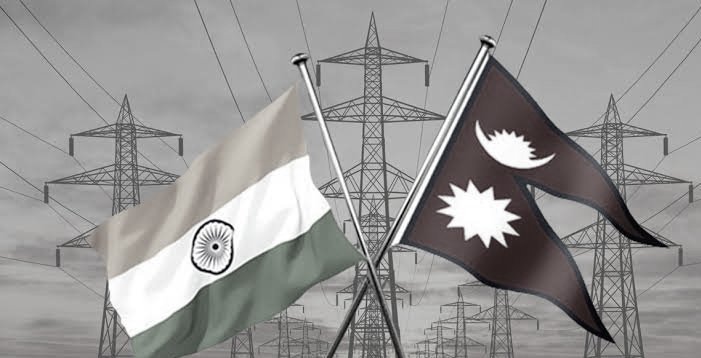
India on Monday approved the export of up to 654 MW of electricity to Nepal for 18 hours a day until December 31, after a devastating Himalayan flood destroyed more than a dozen hydropower plants and left the country facing a serious power shortage. The decision was announced by India’s Ministry of Power as Nepal works to restore electricity supply after the disaster.
The disaster in late August badly damaged Nepal’s hydropower infrastructure. More than 12 hydropower plants were swept away, while around 900 power-sector workers are among more than 5,300 people still missing, according to the latest reports.
Hydropower is central to Nepal’s electricity system.
It supplies almost all of the country’s power and has also become an important source of export earnings. But the destruction in the Bagmati region, one of Nepal’s main hydropower-producing areas, has forced the country to look outside its own system for electricity.
Nepal had stopped power exports after the disaster and began preparing to import electricity from India to meet domestic demand.
Monday’s decision allows Nepal to receive up to 654 MW for 18 hours each day through December 31. The amount for the period after that will be reviewed in December.
More than an electricity deal
For Nepal, the immediate issue is keeping homes, businesses and essential services supplied with electricity while damaged power infrastructure is rebuilt.
For India, the decision also highlights the importance of the two countries’ interconnected power networks.
The two neighbours have expanded electricity trade over the years, with Nepal becoming an important part of India’s regional power cooperation. The latest approval comes at a particularly difficult time for Nepal, where the destruction has affected not only communities but also infrastructure that supports the country’s economy.
The scale of the disaster is enormous.
Nepal and Tibet have recorded nearly 1,400 deaths, while thousands remain missing after the glacier-related disaster triggered floods and landslides. Nepal has estimated that it will need around $5 billion for initial reconstruction, and has appealed to wealthier countries and international agencies for assistance.
The rebuilding challenge
Getting electricity back is only one part of Nepal’s recovery.
The country now faces the much harder task of rebuilding hydropower stations, roads, bridges and other infrastructure damaged by the disaster.
The crisis has also raised wider questions about the vulnerability of Himalayan infrastructure as glaciers and mountain ecosystems face increasing pressure.
A new study released this month warned that the Himalayas are approaching a critical point as glacier loss accelerates, with potentially serious consequences for water supplies and livelihoods across the region. The study identified nearly 200 high-risk glacial lakes in India, including 56 classified as very high risk.
For Nepal, however, the problem is immediate.
Electricity is needed now, while rebuilding will take months and, in some cases, years.
India’s decision therefore provides more than additional power.
For the moment, it gives Nepal time to rebuild without leaving people and essential services without electricity.
