
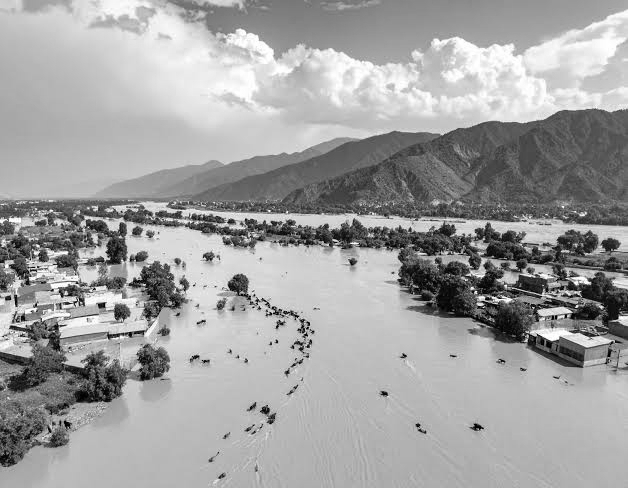
New Delhi: The southwest monsoon has barely settled across large parts of India, but its arrival is already testing cities, hill states and riverine regions with a combination of flash floods, landslides and urban flooding.
From the hills of Arunachal Pradesh and Sikkim to the crowded streets of Mumbai, the first major spell of monsoon activity has left behind a trail of disruption, prompting authorities to issue alerts, deploy emergency teams and prepare for further rainfall in the days ahead.
In Arunachal Pradesh, continuous rainfall triggered flash floods in Keyi Panyor district, inundating residential areas and damaging houses. The situation became more serious after reports emerged that three people had gone missing near a project colony in the Yazali area. Rescue teams and local authorities have been monitoring the situation while assessing the extent of the damage.
The impact of the rainfall is not expected to remain confined to Arunachal Pradesh.
Officials in neighbouring Assam have gone on high alert after receiving warnings about rising water levels in the upper catchment areas. With increased river discharge flowing downstream, authorities are closely watching districts located along the Brahmaputra and its tributaries. Advisory notices have been issued and district administrations have been asked to remain prepared for any emergency situation.
The concern is familiar to residents of Assam, where every monsoon season brings anxiety over river levels, embankments and possible flooding. For communities living along the Brahmaputra, rainfall hundreds of kilometres away can often determine local conditions within a matter of days.
Meanwhile, the mountains of Sikkim have faced a different challenge.
Heavy overnight rain triggered multiple landslides in West Sikkim, cutting off road connectivity and disrupting movement in several areas. Massive rocks, mud and debris blocked important routes, forcing authorities to deploy machinery to clear roads and restore access. Hill states remain particularly vulnerable during the monsoon, as saturated slopes often become unstable after prolonged rainfall.
While landslides and floods affected the northeastern region, Mumbai witnessed a different face of the monsoon.
The financial capital woke up to intense rainfall that flooded low-lying areas, slowed transportation and disrupted daily life. In some parts of the city, rainfall levels crossed 200 millimetres within 24 hours, accounting for a substantial portion of the city’s average June rainfall. Roads were waterlogged, local train services faced disruptions and civic authorities remained on high alert throughout the day.
The challenges of urban flooding were visible across the city.
A sanitation worker reportedly fell into an open drain during heavy rain, highlighting the risks faced by civic workers during extreme weather events. Elsewhere, fallen trees, waterlogged roads and traffic congestion created difficulties for commuters attempting to navigate the city.
Rail infrastructure also came under pressure.
Heavy rain and soil erosion affected sections of Mumbai’s rail network, leading to train cancellations and operational restrictions. Although services were gradually restored, authorities continued to enforce speed restrictions as a precautionary measure.
Weather experts say such incidents underline a growing challenge facing India during the monsoon season.
Extreme rainfall events are becoming more frequent, often delivering a large volume of rain within a short period. This places pressure on drainage systems, transportation networks and disaster management agencies alike.
For millions of people, the monsoon remains both a blessing and a challenge.
It replenishes reservoirs, supports agriculture and provides relief from intense summer heat. At the same time, it exposes weaknesses in urban planning, infrastructure and disaster preparedness.
The coming weeks will therefore be closely watched.
With forecasts indicating continued rainfall activity in several regions, state governments and local administrations are stepping up preparedness measures. Rescue teams, weather agencies and disaster response authorities remain on alert as the monsoon advances further across the country.
For now, the season’s opening chapter serves as a reminder that while the monsoon is essential to India’s economy and ecology, it also demands constant vigilance from authorities and citizens alike. The rains have arrived, and with them comes the annual challenge of balancing nature’s benefits with its unpredictability.
