
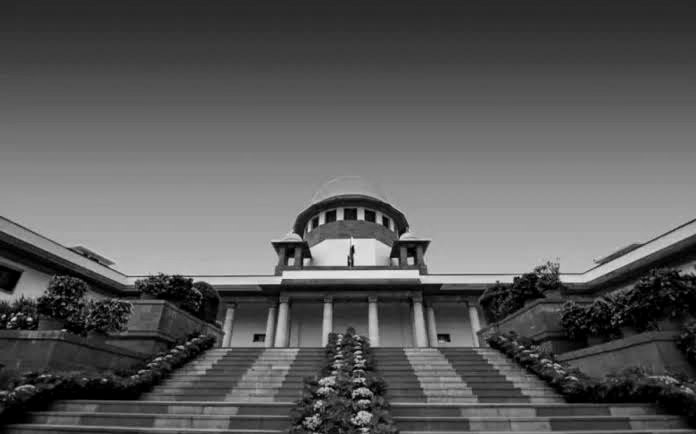
The Supreme Court has directed private universities across India to disclose five years of audited financial records, fee structures, fund utilisation, surplus investments and other administrative details, widening scrutiny of how private universities are established, financed and operated. The direction was issued on September 17 and reported widely on September 22.
The court has also sought information on admissions, recruitment of teaching and non-teaching staff, salaries, remuneration and grievance-redressal mechanisms. The Union government, states and Union Territories have been directed to collect the information and file affidavits within six weeks.
The proceedings began with a student’s grievance involving a private university in Noida but have since widened into a broader examination of private universities in the public interest.
What exactly does the Supreme Court want to know?
The information sought goes well beyond the annual accounts of a university.
The court wants authorities to obtain details covering:
Five years of audited financial statements
Fee structures and collections
Utilisation of funds
Surplus funds and investments
Government benefits and concessions
Faculty and staff recruitment
Salaries and remuneration
Admissions and related procedures
Grievance-redressal mechanisms
The breadth of the information is significant because it allows the court to look at the relationship between a university’s finances and its educational functions rather than examining fees in isolation.
Why has the court widened the examination?
The proceedings originated from a dispute involving a student and a private university in Noida.
The Supreme Court subsequently said that the issue raised questions of wider public importance concerning the establishment, regulation and functioning of private universities across the country. The court has therefore expanded the inquiry beyond the individual dispute.
That means the information being collected is not limited to one institution.
Private universities across states and Union Territories are now being brought within the information-gathering exercise.
The court’s position on profit
The bench of Justice Ahsanuddin Amanullah and Justice N.V. Anjaria said private universities cannot be permitted to operate as profit-making institutions.
At the same time, the court recognised that universities need a financial cushion to operate properly and to compensate teaching and non-teaching employees. The issue, therefore, is not whether a university can maintain surplus resources, but how those resources are managed and whether they remain connected to the institution’s educational purpose.
That distinction is important for interpreting the order.
The court has not said that private universities cannot charge fees or maintain financial reserves. It is examining whether their financial arrangements are consistent with their status and educational obligations.
Why fee transparency matters to students
For students and families, the fee charged by a university is only one part of the financial picture.
A student may also pay for hostel accommodation, examinations, laboratory facilities, transportation, administrative services and other institutional charges.
When the court seeks detailed financial information, it creates an opportunity to examine how institutional resources are being collected and used.
The information on staff salaries and recruitment also matters because teaching quality depends partly on whether institutions can attract and retain qualified faculty.
What about government benefits?
The Supreme Court has also sought details of benefits and concessions received from governments.
Private universities may receive various forms of public support depending on the institution and the applicable state or central policy. The court’s direction means such benefits will form part of the wider financial picture being examined.
The question is not simply how much money an institution receives.
It is also how that support fits into the institution’s educational obligations and financial management.
What happens next?
The Union government, states and Union Territories have been given six weeks to obtain the required information from private universities and colleges and file affidavits before the Supreme Court.
The court will then have a much larger body of information covering the financial and administrative functioning of private universities.
For students and parents, the eventual significance will depend on what the court finds from that information and whether further regulatory directions follow.
For now, the immediate development is clear: private universities across India are being asked to open up five years of financial and administrative records for judicial scrutiny.
