
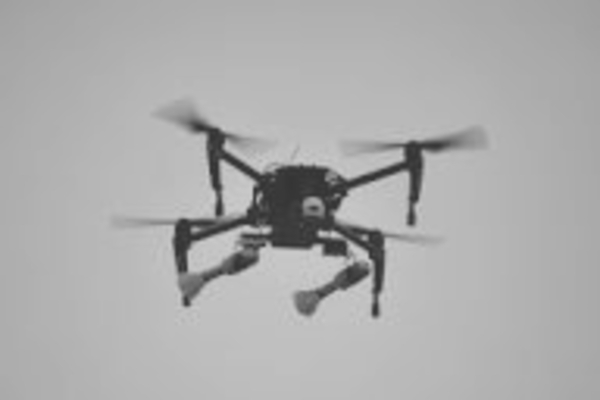
Vijayawada: In Guntur, the fight against mosquitoes is moving above ground.
Instead of relying only on workers moving through ponds and drains, the municipal corporation has started using drones to spray anti-larval chemicals over water bodies and low-lying areas. The shift comes after a steady rise in complaints from residents about mosquito nuisance and seasonal illnesses.
At first glance, the change looks technical. But on the ground, it is a practical response to a familiar problem.
A problem that returns every season
With rising temperatures and stagnant water, mosquito breeding increases quickly in urban areas. Ponds, construction sites, drains and even small water pockets become ideal conditions.
In many parts of Guntur, especially around large ponds, the issue had become difficult to manage. Thick vegetation like water hyacinth had spread across water surfaces, making it hard for field staff to reach the affected spots.
Manual spraying continued, but coverage remained uneven.
That gap is what the new approach is trying to address.
Why drones are being used
The main advantage of drones is reach.
They can fly low over water bodies and spray larvicide directly on the surface, even in areas that are otherwise inaccessible. Instead of navigating through dense growth or unsafe terrain, operators can control the process from a distance.
Officials say this not only improves coverage but also reduces the risk faced by workers.
Speed is another factor.
What might take hours through manual effort can be covered much faster using drones, especially when multiple locations need attention at the same time.
What exactly is being sprayed
The operation focuses on larvicide, which targets mosquitoes at the early stage of their life cycle.
This is different from fogging, which is used later to kill adult mosquitoes. By acting early, authorities aim to reduce the overall mosquito population before it spreads into residential areas.
The spraying is currently being carried out across major ponds and stagnant zones in the city, covering a significant area.
Not just drones
Officials say the effort is not limited to aerial spraying.
Regular fogging operations continue in residential neighbourhoods. Anti-larval work is also being carried out in streets, drains and high-risk zones such as slums and construction areas.
The idea is to combine methods — addressing the problem both at the source and in populated areas.
What changes for residents
For people living in affected areas, the impact may not be immediately visible, but it is expected to reduce mosquito density over time.
However, officials say public cooperation remains a key part of the process.
Even with large-scale operations, small sources of stagnant water around homes can lead to breeding. Water collected in coolers, buckets, flower pots or discarded containers can become problem points.
Residents are being advised to clear such spots regularly and ensure that water does not remain stored for long periods.
A shift in approach
The use of drones reflects a broader change in how civic bodies are handling routine urban issues.
Instead of responding only after complaints rise, there is an effort to identify problem areas earlier and use targeted methods to manage them.
Technology, in this case, is not replacing traditional work but supporting it — helping cover areas that were earlier missed or difficult to reach.
What to watch
The success of the initiative will depend on how consistently it is carried out.
Mosquito control is not a one-time exercise. It requires regular monitoring, repeated action and coordination between different departments.
If the drone operations continue alongside ground-level efforts, officials believe it can reduce the scale of the problem during peak seasons.
The ground reality
For now, the change is visible in how the work is being done.
Where teams once struggled to access dense ponds, drones are now being used to spray from above. It is a quieter operation, but one that covers more ground.
Whether it brings long-term relief will take time to assess.
But for a city dealing with a recurring issue, even a shift in method can make a difference — especially when it helps reach places that were earlier left out.
