
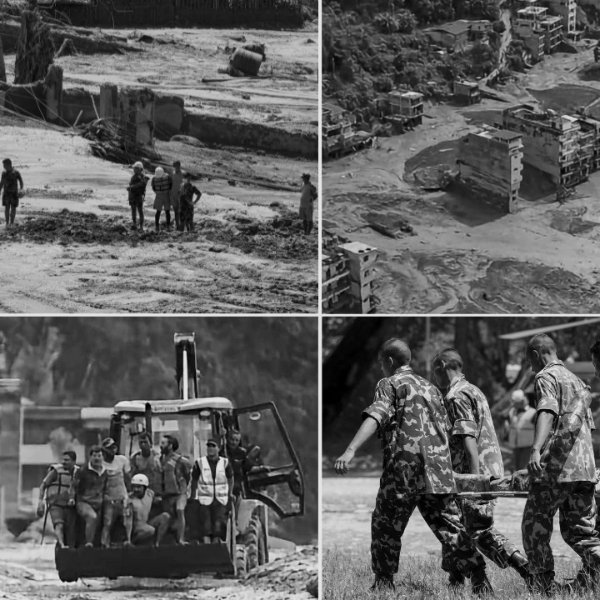
New Delhi: As Nepalese authorities warn of potential further floods, India has increased its response, deploying a rescue team to work alongside Nepalese soldiers in search of people trapped in the devastating inundated region, particularly in and around affected tunnel locations.
The crisis has since evolved beyond the initial stage of search and rescue and is now presenting a continuously unfolding scenario where the number of casualties continues to climb, infrastructure has been severely damaged, and thousands continue in their attempt to locate their families in inaccessible pockets.
As per reports, it has been claimed by Monday that there were 788 reported deaths in the country and that more than 2,500 are still missing and presumed dead. These figures are considered to be highly dynamic and changeable as information starts filtering through from hitherto marooned parts of the country being accessible to search and rescue parties.
This inherent danger is complicating matters at a greater level with Nepal issuing fresh flood warnings after water levels have recorded fresh upsurgence especially in the Bhotekoshi River and authorities are watching streams from higher reaches closely for any impending surge.
Indian Rescue Teams Join the Search Efforts
India’s rescue involvement has since culminated into a more participatory effort.
An Indian rescue party has been pressed into action with Nepal Army in the Chilime and Langtang tunnel areas to carry on searches of possible missing people, with Telangana Today reporting that they would act as a part of the ongoing international disaster response.
The effort has a significant human aspect attached for India, too, especially due to incidents concerning Indians and Indians with Nepalese lineage victims in the disaster and continuing efforts to trace relatives without contact.
Families attempting to trace their missing relatives have been described as traveling to Nepal on Monday with communications and transit networks yet to be fully restored.
A Multi-Border Disaster
The extent of damage caused by the flood has turned the Nepal disaster into a regional one rather than country-specific with roads, bridges, and even hydropower projects affected besides essential infrastructure like power supply being intermittent.
This impact further intensifies in Nepal due to its geography; access via mountainous roads is often blocked by landslides due to landslides induced by heavy rainfall and floodwaters which invariably make a particular section of people completely dependent on helicopters.
These dangers also make the current rescue effort extremely risky for rescuers.
India’s Interests in Monitoring the Events in Nepal
An additional important aspect is also the downstream concern to India from Nepal. The rivers involved also pass through India and hence events happening upstream in Nepal can directly impact the river situation in India. Therefore, India has been closely monitoring the water levels in the major rivers.
However, it would be prudent not to equate the rising water levels in India with fresh flooding from Nepal without due confirmation.
This distinction is becoming increasingly crucial with misinformation spreading like wildfire in such high-stakes crises.
The Human Crisis Continues
The casualty figures also denote an army of lost relations to at least thousands of individuals and their struggle is about finding their near and dear ones than about seeking compensation and reconstruction for the moment.
The clock is ticking as Nepali authorities and international teams look to trace those presumed lost in marooned regions before further rainfall compounds the already severe rescue situation.
Such a crisis also ignites discussions about the vulnerabilities to climate and its extreme manifestations faced by people living in the Himalayas a contention voiced by the Nepal Foreign Minister during the course of this human crisis which shows India’s involvement on humanitarian lines.
India’s primary concerns now rest on the humanitarian task of tracing missing people, helping the injured, and supporting the Nepalese search and rescue operation. Full information regarding the scale of destruction will only come about when all affected regions have been accessible by rescue teams.
